MMD BLOG


CATEGORY:

Doing it All Sneak Peek

CONTROL IS OVERRATED, SO GIVE SOME OF IT AWAY

 Modern Mommy Doc


PUBLICATION DATE:

August 29, 2024

CONTROL IS OVERRATED, SO GIVE SOME OF IT AWAY

 Modern Mommy Doc

CATEGORY: Doing it All Sneak Peek

This week, I'm sharing a sneak peek from Doing it All: Stop Over-Functioning and Become the Mom and Person You're Meant to Be, Chapter 3.


“I DON’T WANNA RULE THE WORLD, just wanna run my life.”


In 1986, Janet Jackson came out with her song, “Control,” and I knew she was talking to me. I was only five, but that woman already recognized my deep need to manage my entire life, to keep my hand in all the things that affected me. I wanted

to pack my own bags for family vacations. I didn’t need to go to the bathroom before getting tucked in for the night. Why on earth wouldn’t my parents let me have dessert before dinner—didn’t they know I could handle my sugar intake without them?


Now that I’m in my forties, “Control” still rings true—mostly. If I’m being honest, I don’t really want to be in charge of everything. It sounds dreamy to be able to hand off the meal planning, grocery shopping, and meal prep to someone else! But then Scott comes home with the wrong kind of cracker (that I know the kids won’t eat), and the lack of control makes me all dark and twisty inside. Especially because I know I could have done it better myself.


The thing that saves me from throwing a head-on-the-ground, toddler-style tantrum when things aren’t done my way (other than remembering my way isn’t always the right way) is remembering my Centered Vision. When we choose to pursue a life of purpose and meaning, we choose to focus our time, energy, and resources on what matters most to us. And rosemary gluten-free crackers are not at the top of that list. Keeping that perspective allows me to loosen my grip on the things that affect me, but don’t need to be controlled by me. In other words, the Swappables. 


If micromanaging were an Olympic sport, most moms I know would be gold medal winners.


They truly are champions at keeping a stranglehold on the minutiae of their family’s lives, as well as their own personal and professional endeavors. And you have to ask yourself, why? Why don’t we ask for help more often from our partners, from our coworkers, or from our kids? The truth is that it’s not just about control. The answers are rooted in sexism, tradition, and the following factors:


  • SELF-RELIANCE: We feel like it takes even more effort to involve anyone else. Imagine asking your kid to unload the dishwasher . . . and then hav- ing to put everything back in its rightful place. Think about asking a team member to fold all the shirts in the menswear department, only to find them sloppily arranged. It’s aggravating just to think about it.


  • OVERACHIEVING: We feel like we should do it all ourselves and that it looks weaker when we have to ask for help. We think we overachievers don’t (or shouldn’t) need any help from anyone. And we feel terrible about ourselves when we inevitably do.


  • OVERFUNCTIONING: We’re used to overfunctioning. For many of us, toxic productivity is our modus operandi. It feels normal to run around at 100 miles an hour with everyone depending on you for everything. Even though it’s terrible for us to stay in a state of hyperactivity both profession- ally and personally, it feels abnormal not to.


  • MOM STANDARDS: It may not get done to our standards if we ask someone else to do it for us. Again, think of the dishwasher.


  • EMOTIONAL BANDWIDTH: There’s a big risk of even more resentment, disappointment, and frustration if it’s not done by someone else in a timely manner, if we have to nag them to do it, or if it’s not done at all. We don’t have the emotional bandwidth for this. So often, we just avoid it by doing everything ourselves.


  • TRADITIONAL GENDER NORMS: Discrimination and bias dictate that those who are less privileged and more oppressed get stuck with the grunt work more often. And even though societal and workplace norms are changing, they aren’t changing fast enough. Persistent, systemic racism and generational conditioning mean there’s still an unfair and inequitable division of labor based on factors like gender and racial status everywhere we turn.


The odds are stacked against us. They have been for generations. We’re the default (or “shefault”) team members in our homes and at work. While some of it is our doing (or just our perpetuating), most of it definitely is not. 


You Can’t Control Everything, but You Can Control This


You’re not in charge of the way the world treats you. Try as we might, it’s hard to change how other people operate, at least in a timeframe that meets our needs. We’re not going to end discrimination or bias overnight. That kind of advocacy takes years and sometimes generations of work. But we can:


  • DECIDE if we’re going to keep trying to meet the unhealthy standards the world feeds us for managing our home and work lives or if we’re ready to choose a path that works better for us.


  • PRACTICE RADICAL ACCEPTANCE around what our partners and parenting villages are capable of contributing (and their willingness to do so) and make other plans if they won’t step up to the plate.


It turns out you have more control than you thought you did."


Your Next Steps


Want to read more? Check out Doing it All: Stop Over-Functioning and Become the Mom and Person You're Meant to Be in paperback, eBook, and audiobook.


Raising Body-Confident Kids Starts at the Doctor's Office!

START NOW
By Dr. Whitney December 17, 2025
About the Episode: In this episode, Dr. Whitney sits down with Dr. Jay Gargus and Dave Justus from NeuroQure to discuss the power of early clarity when it comes to autism detection and why earlier intervention can fundamentally change outcomes for childre n and families. Dr. Gargus explains the science behind early behavioral therapies and why their impact goes far beyond short-term skill-building. Research shows that early, evidence-based interventions can lead to measurable, lifelong improvements in IQ, so cial skills, independence, and educational placement, often determining whether a child can thrive in mainstream education or requires ongoing specialized support. The conversation also tackles a critical and often overlooked issue: access. Dave Justus shares the personal motivation behind NeuroQure’s work and explains why the test is being launched at cost, with installment plans and employer subsidies, while the team works toward insurance coverage. The goal is to prevent families from losing precious years waiting for answers. Together, they emphasize a hopeful message for parents: families don’t need to wait for a future “silver bullet.” We already have therapies that work and getting kids connected to them earlier can change the course of a lifetime. In this episode, we discuss: Why early autism detection leads to lifelong changes—not just short-term gains What a 17-point IQ difference actually means for education, independence, and quality of life How early intervention can shift developmental trajectories as early as 6 months The science and validation behind current autism therapies Why NeuroQure is pricing testing at cost while pursuing insurance coverage How early clarity can reduce long-term strain on families, schools, and healthcare systems This episode is a powerful reminder that timing matters and that early access to answers can make an extraordinary difference for children and the families who love them. About Our Guest: Dr. Jay Gargus, MD, PhD is a physician-scientist and nationally recognized expert in neurodevelopmental disorders, with decades of experience researching the biological underpinnings of autism. His work has focused on translating well-established science into meaningful, real-world interventions that can improve lifelong outcomes for children. Dr. Gargus emphasizes that early, evidence-based therapies are already available—and that connecting families to them sooner can fundamentally change developmental trajectories. Dave Justus is a parent and the founder of NeuroQure, whose work is driven by personal experience navigating delayed autism diagnosis and intervention. Motivated by the belief that early clarity can spare families years of uncertainty, Dave is focused on expanding access to early testing through cost-based pricing and ongoing efforts to secure insurance coverage. His mission is simple but powerful: ensure families don’t have to wait for answers that could change everything. Want to Start Raising Body-Confident Kids Today? 📘 Order the Book Order your copy of My One-of-a-Kind Body 👉 www.raisingbodyconfidentkids.com/books 🎁 Claim Your Free Bonus When you order on our site, you’ll also get access to a FREE video mini-course with five bite-sized lessons for parents. In just 25 minutes, you’ll walk away with: Simple, script-style ways to respond when your kid says, “I hate my thighs” How to talk about health without weight talk What to do when your own inner critic shows up How to interrupt diet culture at home The first step to raising a body-confident kid, even if you didn’t grow up as one 📩 Subscribe to The Modern Mommy Doc Podcast for more episodes on parenting with confidence and clarity. Leave a review using the hashtag #ModernMommyDoc.
By Dr. Whitney November 13, 2025
Stop being so busy, and start being more present.
By Dr. Whitney November 5, 2025
Starting out right with solids doesn't have to be so scary.
By Dr. Whitney October 29, 2025
What if YOU are the one who needs to calm down first?

Welcome! Get the information you need to win at parenting without losing yourself.

LEARN MORE

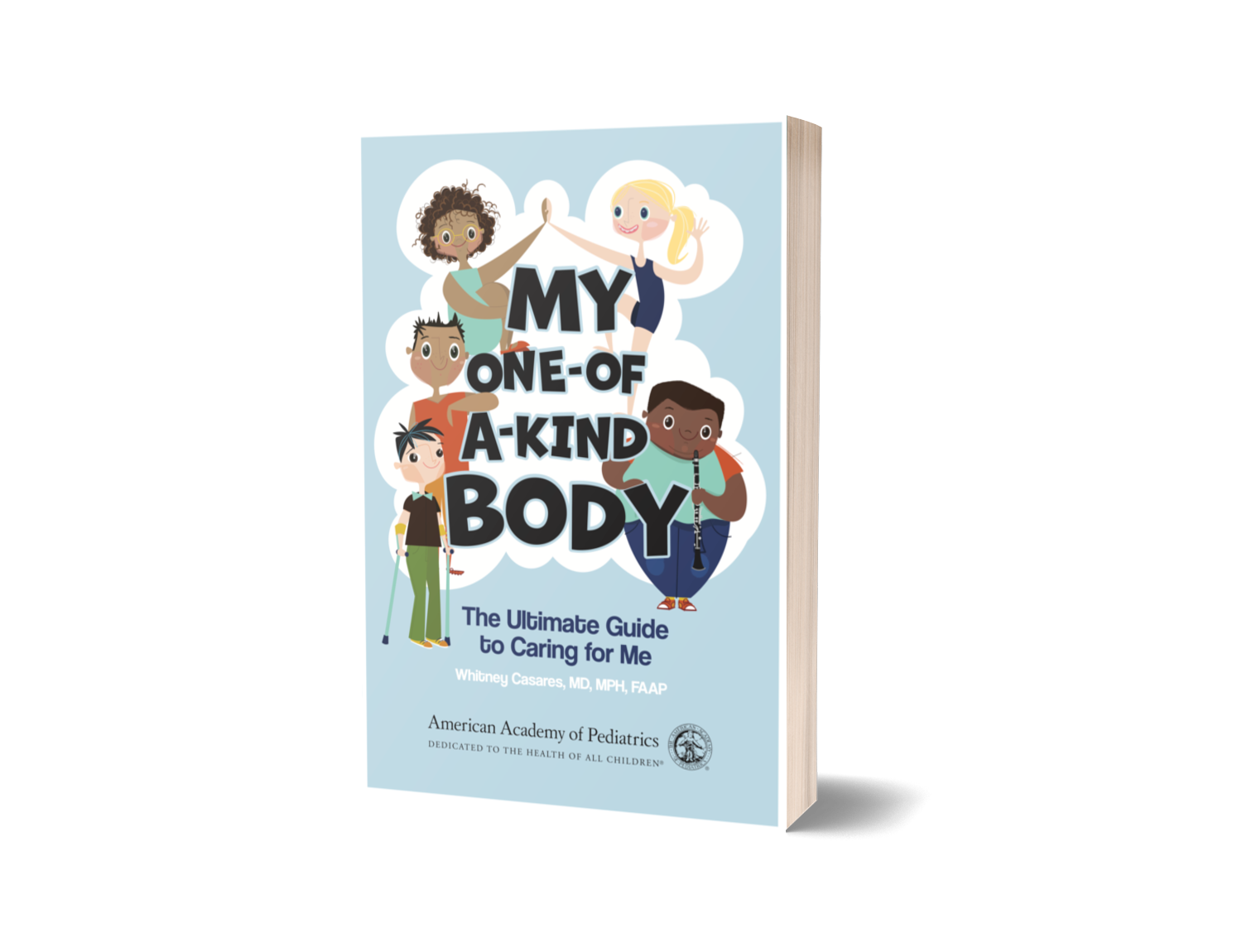
My Kids' Book on Body Confidence is Finally Here!


Wish your partner would do more to lessen your mental load?


Want to make self-care a priority but not sure how to?


SIGN UP FOR SUSTAINABLE SELF-CARE. IT'S FREE. CLICK HERE


FRESH

ON THE PODCAST


By Dr. Whitney December 17, 2025
About the Episode: In this episode, Dr. Whitney sits down with Dr. Jay Gargus and Dave Justus from NeuroQure to discuss the power of early clarity when it comes to autism detection and why earlier intervention can fundamentally change outcomes for childre n and families. Dr. Gargus explains the science behind early behavioral therapies and why their impact goes far beyond short-term skill-building. Research shows that early, evidence-based interventions can lead to measurable, lifelong improvements in IQ, so cial skills, independence, and educational placement, often determining whether a child can thrive in mainstream education or requires ongoing specialized support. The conversation also tackles a critical and often overlooked issue: access. Dave Justus shares the personal motivation behind NeuroQure’s work and explains why the test is being launched at cost, with installment plans and employer subsidies, while the team works toward insurance coverage. The goal is to prevent families from losing precious years waiting for answers. Together, they emphasize a hopeful message for parents: families don’t need to wait for a future “silver bullet.” We already have therapies that work and getting kids connected to them earlier can change the course of a lifetime. In this episode, we discuss: Why early autism detection leads to lifelong changes—not just short-term gains What a 17-point IQ difference actually means for education, independence, and quality of life How early intervention can shift developmental trajectories as early as 6 months The science and validation behind current autism therapies Why NeuroQure is pricing testing at cost while pursuing insurance coverage How early clarity can reduce long-term strain on families, schools, and healthcare systems This episode is a powerful reminder that timing matters and that early access to answers can make an extraordinary difference for children and the families who love them. About Our Guest: Dr. Jay Gargus, MD, PhD is a physician-scientist and nationally recognized expert in neurodevelopmental disorders, with decades of experience researching the biological underpinnings of autism. His work has focused on translating well-established science into meaningful, real-world interventions that can improve lifelong outcomes for children. Dr. Gargus emphasizes that early, evidence-based therapies are already available—and that connecting families to them sooner can fundamentally change developmental trajectories. Dave Justus is a parent and the founder of NeuroQure, whose work is driven by personal experience navigating delayed autism diagnosis and intervention. Motivated by the belief that early clarity can spare families years of uncertainty, Dave is focused on expanding access to early testing through cost-based pricing and ongoing efforts to secure insurance coverage. His mission is simple but powerful: ensure families don’t have to wait for answers that could change everything. Want to Start Raising Body-Confident Kids Today? 📘 Order the Book Order your copy of My One-of-a-Kind Body 👉 www.raisingbodyconfidentkids.com/books 🎁 Claim Your Free Bonus When you order on our site, you’ll also get access to a FREE video mini-course with five bite-sized lessons for parents. In just 25 minutes, you’ll walk away with: Simple, script-style ways to respond when your kid says, “I hate my thighs” How to talk about health without weight talk What to do when your own inner critic shows up How to interrupt diet culture at home The first step to raising a body-confident kid, even if you didn’t grow up as one 📩 Subscribe to The Modern Mommy Doc Podcast for more episodes on parenting with confidence and clarity. Leave a review using the hashtag #ModernMommyDoc.
By Dr. Whitney November 13, 2025
Stop being so busy, and start being more present.