MMD BLOG


CATEGORY:

Body Love

YOU DON'T HAVE TO PASS YOUR BODY IMAGE ISSUES ON TO YOUR KIDS

 Modern Mommy Doc


PUBLICATION DATE:

May 30, 2024

YOU DON'T HAVE TO PASS YOUR BODY IMAGE ISSUES ON TO YOUR KIDS

 Modern Mommy Doc

CATEGORY: Body Love

About Our Guest:


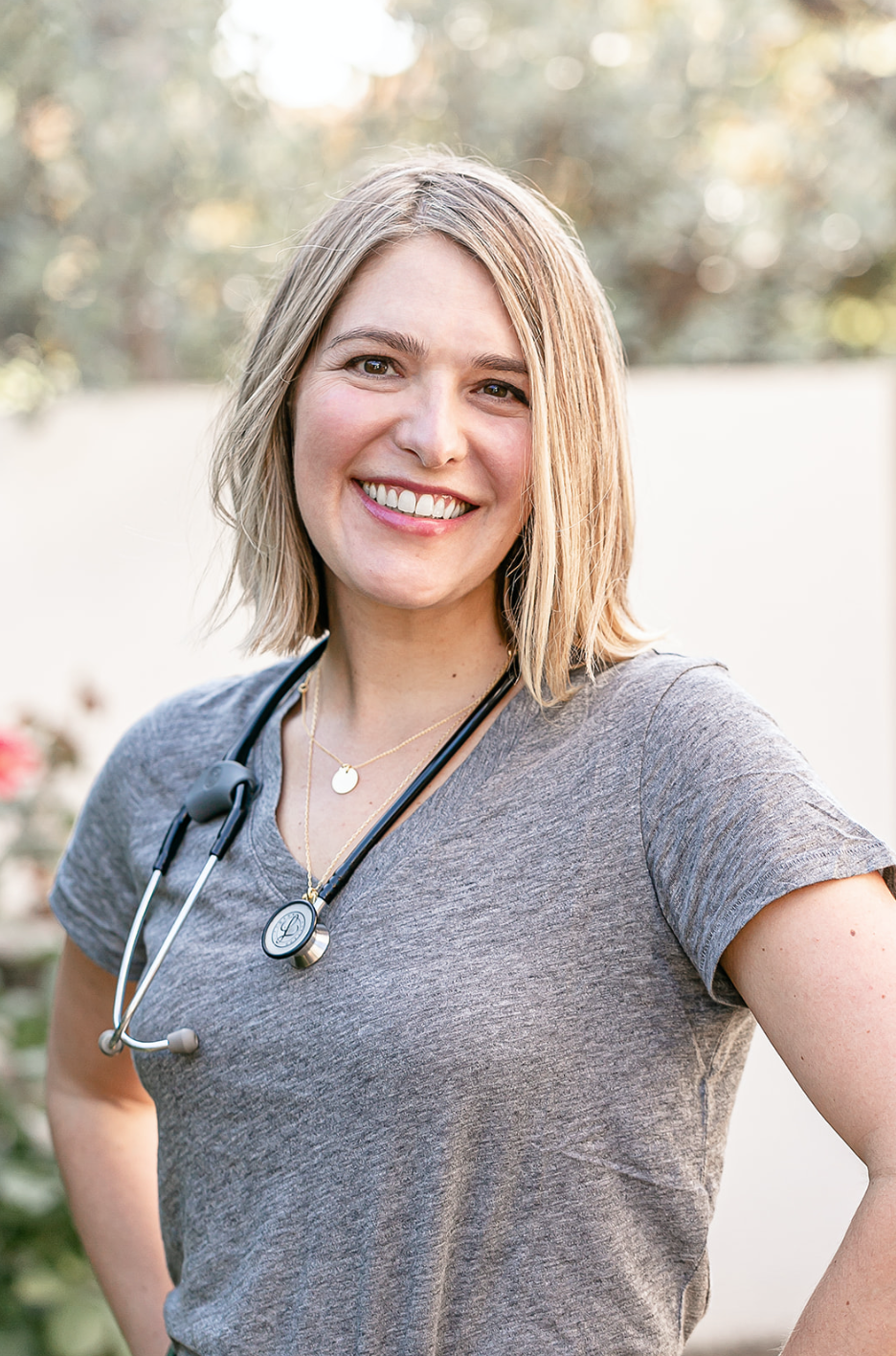
Whitney Casares, MD, MPH, FAAP, is a practicing board-certified pediatrician, author, speaker, and full-time working mom. Dr. Whitney is a Stanford University-trained private practice physician whose expertise spans the public health, direct patient care, and media worlds. She holds a Master of Public Health in Maternal and Child Health from The University of California, Berkeley, and a Journalism degree from California Polytechnic State University, San Luis Obispo. She is also CEO and Founder of Modern Mommy Doc.


Dr. Whitney advocates for the success of career-driven caregivers in all facets of their lives, guiding them toward increased focus, happiness, and effectiveness despite the systemic challenges and inherent biases that threaten to undermine them. She speaks nationally about her Centered Life Blueprint, which teaches working caregivers how to pay attention to what matters most amid pressure, at multibillion-dollar corporations like Adidas and Nike, and at executive-level conferences. She is a spokesperson for the American Academy of Pediatrics and medical consultant for large-scale organizations, including Good Housekeeping magazine, Gerber, and L’Oreal (CeraVe). Her work has been featured in Forbes, Thrive Global, and TODAY Parenting. She is a regular contributor to Psychology Today.


Dr. Whitney practices medicine in Portland, Oregon, where she and her husband raise their two young daughters.


About the Episode:


Dr. Whitney gets personal on this episode talking about body image, weight, and the world’s standards of health. She talks about why it’s so hard for women to have a positive body image even in the movement of body positivity and how we can help break that cycle for our kids.

Episode Takeaways:


  • There is such a divide in women’s health when it comes to body image and weight. And, as women, we’ve been steeped in diet culture our entire lives. From watching our parents go through a million diet and exercise programs to the way they spoke to us about our bodies (even when their motivation came from the right place!) it really shaped and formed our relationships with our bodies, food, and exercise. And it’s really difficult as parents, now, to navigate that with our kids, knowing how much it has affected us.


  • I often struggle with hearing all the voices that have spoken into my life about weight. I hear my parents talk about their own body, I hear all the people who told me I looked so great after I lost weight. As a result of those thoughts, it’s really difficult to make my actions line up with my mindset. I want to be as healthy as I can be for my kids, and I want to be the best role model in the area, but I’m a human being and sometimes I fall short.


  • There are times when I exercise not just for the joy of movement, but to lose weight. I do eat foods and think, “Will this make me bigger?” “Will this make me smaller?” I do look at my body and think critical thoughts. But I’ve learned there’s a difference between thinking a thought and taking it and passing it onto your kids. I can fight those internal demons and still pass on something better to my kids.


  • When I have those thoughts, I give myself the most grace and self-compassion. When I think critically, I tell myself WHY I’m being critical–because of the way you’ve been conditioned to think for so long. And then I ask myself what I’m going to do with that thought. I’m going to be mindful, I’ll store it away, and move on. And if I do take an action, like eating for restriction or exercising for a version of “health” that isn’t healthy for me, I can still stop and reverse it. It doesn’t have to be the new normal.


  • Oftentimes, these things aren’t even noticeable from the outside. It’s just the constant mind chatter going on inside your head. That doesn’t mean you can’t be authority on this for your kids. That doesn’t mean you can’t undo all the damage of diet culture. It means that it’s okay that you’re not perfect. That it’s okay that it’s still a struggle. It’s going to take several generations for our kids to unlearn what we learned and to unsee what’s on the internet with photoshop and filters.


  • Just because your experience was terrible, doesn’t mean it has to be that way for your kids. But they live in the real world, so we have to take those times to explain to them what’s happening, what stereotypes are, what old ideas are out there about what it means to be “healthy,” and what our families are going to do to set our relationships with food and our bodies.


More Blogs on this Topic:


More Podcast Episodes on this Topic:

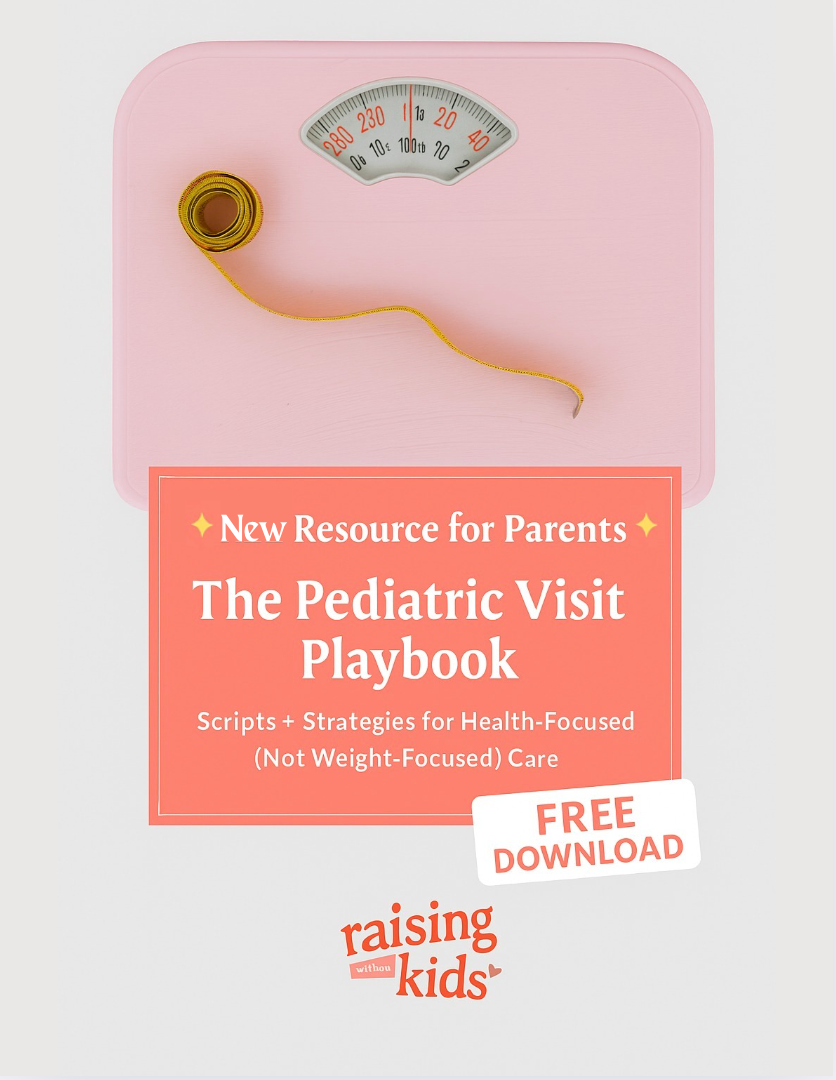
Raising Body-Confident Kids Starts at the Doctor's Office!

START NOW
By Modern Mommy Doc • October 9, 2026
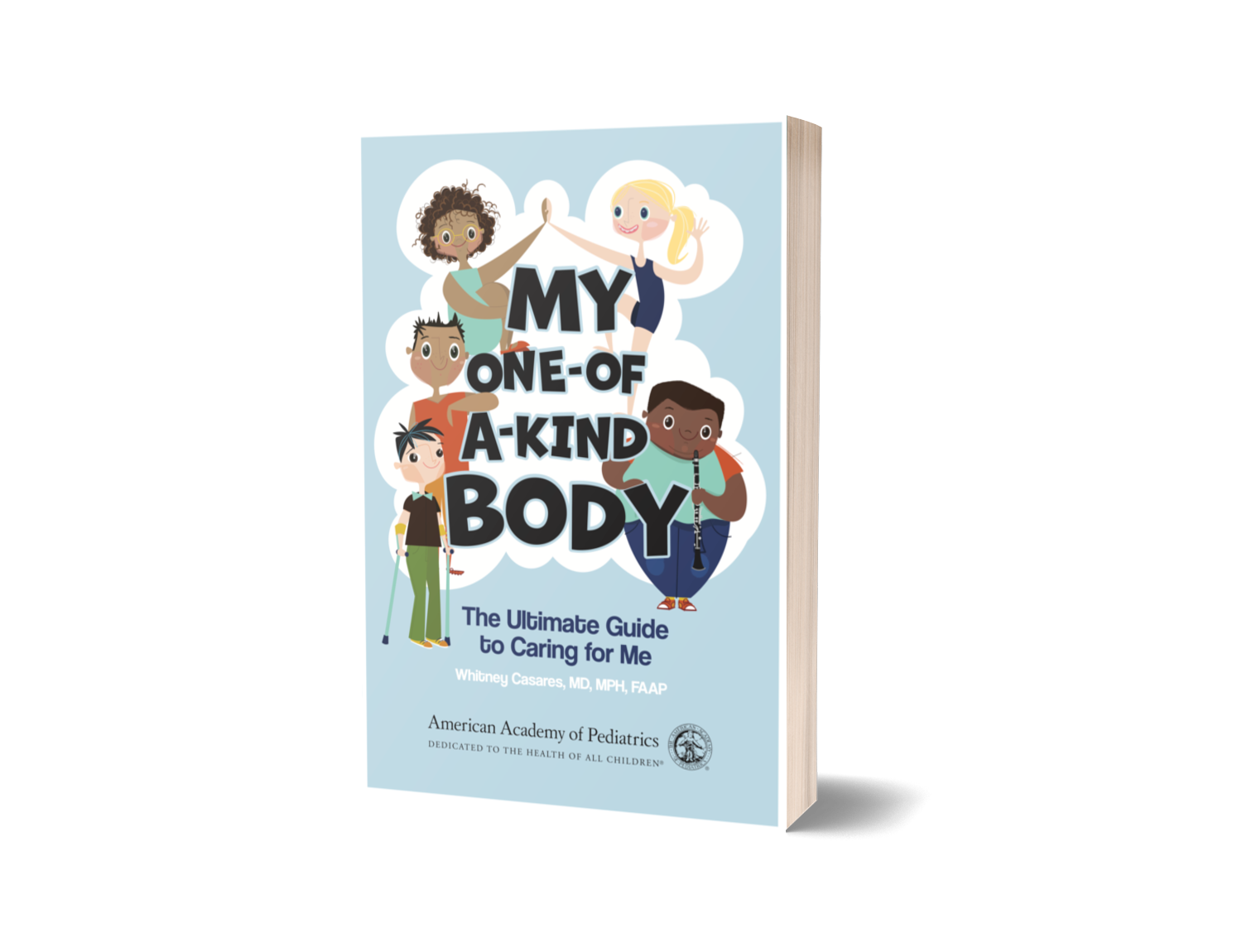
About the Episode: There’s so much parenting advice out there, and most of it doesn’t matter nearly as much as the internet wants you to think. (Seed oils? We have bigger fish to fry.) In this solo episode, Dr. Whitney gets back to basics and shares the six evidence-based parenting principles she focuses on as a pediatrician, the ones she dug into with a leading child development researcher. She also shares how these play out in real life as a mom of two neurodivergent kids, because guidance only helps if it actually fits your family. Key takeaways: Be sensitive and responsive. Simple practices like mirroring your child’s emotions and “serve and return” interactions build a loving, trusting foundation. Dr. Whitney shares how a Halloween decorating session turned into a deep conversation about religion once she slowed down and got curious. Meet kids where they are, especially at their worst. Drawing on Tina Payne Bryson, co-author of The Whole-Brain Child , Dr. Whitney explains that soothing a meltdown isn’t giving in. It’s letting your child know they’re not alone in a big feeling. Model self-regulation, and repair when you lose it. Self-regulation predicts academic success better than IQ. The goal isn’t staying calm all the time, it’s understanding why you got dysregulated, coming back to baseline, and offering yourself some self-compassion. Set limits for your kids and yourself. Every child’s needs are different (screen time affects Dr. Whitney’s two daughters very differently), but all kids need limits, and so do parents. Taking time for yourself models something healthy. Aim for authoritative, not permissive. High expectations paired with warmth and grace is the sweet spot. “Gentle parenting” can blur into permissiveness, which research shows is as harmful as authoritarian parenting. Protect unstructured time. Kids need boredom and free play to become self-directed. For ADHD and autistic kids, Dr. Whitney recommends offering a few options and letting kids choose. Support internal motivation. Using a “mirrors facing outward” image from her own therapist, Dr. Whitney explains why we want kids to trust their own instincts rather than constantly look outward for approval. Want to Start Raising Body-Confident Kids Today? 📘 Order the Books Raising Body-Confident Kids If you've ever caught yourself saying something to your kid about their body that sounded exactly like what your mother said to you, this book is for you. Raising Body-Confident Kids is a research-backed, judgment-free guide for parents who want to break the cycle of diet culture and body shame without swinging into toxic positivity or giving up all structure around food and movement. It answers the real questions parents are actually asking about Ozempic, about picky eaters, about what to say when your kid is being bullied for their body, and about social media influences. This is a practical, values-based game plan you can actually use, even if your own relationship with your body is still a work in progress. My One-of-a-Kind Body My One-of-a-Kind Body gives kids the language and understanding they need to care for their bodies with respect without fear, shame, or appearance-based messaging. Through inclusive illustrations and evidence-based health education, the book teaches body literacy, boundaries, and self-trust in a way kids can actually grasp. 👉 www.raisingbodyconfidentkids.com/books
By Modern Mommy Doc • October 5, 2026
What really matters when it comes to college admissions (for you and for them).
By Modern Mommy Doc • September 17, 2026
Kids going off to college are mean for a reason.
By Modern Mommy Doc • September 10, 2026
Maybe winning back to school isn't what we really want, after all.
By Modern Mommy Doc • August 27, 2026
First-class service has a lot to do with first-class parenting.

Welcome! Get the information you need to win at parenting without losing yourself.

LEARN MORE

My Kids' Book on Body Confidence


Trying to break the cycle of body shame and diet culture?


Overwhelmed by all the parenting advice out there?


SIGN UP FOR THE FREE STARTER KIT: UNBOTHERED. IT'S FREE. CLICK HERE


FRESH

ON THE PODCAST


By Modern Mommy Doc • October 9, 2026
About the Episode: There’s so much parenting advice out there, and most of it doesn’t matter nearly as much as the internet wants you to think. (Seed oils? We have bigger fish to fry.) In this solo episode, Dr. Whitney gets back to basics and shares the six evidence-based parenting principles she focuses on as a pediatrician, the ones she dug into with a leading child development researcher. She also shares how these play out in real life as a mom of two neurodivergent kids, because guidance only helps if it actually fits your family. Key takeaways: Be sensitive and responsive. Simple practices like mirroring your child’s emotions and “serve and return” interactions build a loving, trusting foundation. Dr. Whitney shares how a Halloween decorating session turned into a deep conversation about religion once she slowed down and got curious. Meet kids where they are, especially at their worst. Drawing on Tina Payne Bryson, co-author of The Whole-Brain Child , Dr. Whitney explains that soothing a meltdown isn’t giving in. It’s letting your child know they’re not alone in a big feeling. Model self-regulation, and repair when you lose it. Self-regulation predicts academic success better than IQ. The goal isn’t staying calm all the time, it’s understanding why you got dysregulated, coming back to baseline, and offering yourself some self-compassion. Set limits for your kids and yourself. Every child’s needs are different (screen time affects Dr. Whitney’s two daughters very differently), but all kids need limits, and so do parents. Taking time for yourself models something healthy. Aim for authoritative, not permissive. High expectations paired with warmth and grace is the sweet spot. “Gentle parenting” can blur into permissiveness, which research shows is as harmful as authoritarian parenting. Protect unstructured time. Kids need boredom and free play to become self-directed. For ADHD and autistic kids, Dr. Whitney recommends offering a few options and letting kids choose. Support internal motivation. Using a “mirrors facing outward” image from her own therapist, Dr. Whitney explains why we want kids to trust their own instincts rather than constantly look outward for approval. Want to Start Raising Body-Confident Kids Today? 📘 Order the Books Raising Body-Confident Kids If you've ever caught yourself saying something to your kid about their body that sounded exactly like what your mother said to you, this book is for you. Raising Body-Confident Kids is a research-backed, judgment-free guide for parents who want to break the cycle of diet culture and body shame without swinging into toxic positivity or giving up all structure around food and movement. It answers the real questions parents are actually asking about Ozempic, about picky eaters, about what to say when your kid is being bullied for their body, and about social media influences. This is a practical, values-based game plan you can actually use, even if your own relationship with your body is still a work in progress. My One-of-a-Kind Body My One-of-a-Kind Body gives kids the language and understanding they need to care for their bodies with respect without fear, shame, or appearance-based messaging. Through inclusive illustrations and evidence-based health education, the book teaches body literacy, boundaries, and self-trust in a way kids can actually grasp. 👉 www.raisingbodyconfidentkids.com/books
By Modern Mommy Doc • October 5, 2026
What really matters when it comes to college admissions (for you and for them).
By Modern Mommy Doc • September 17, 2026
Kids going off to college are mean for a reason.